The paywall that waited
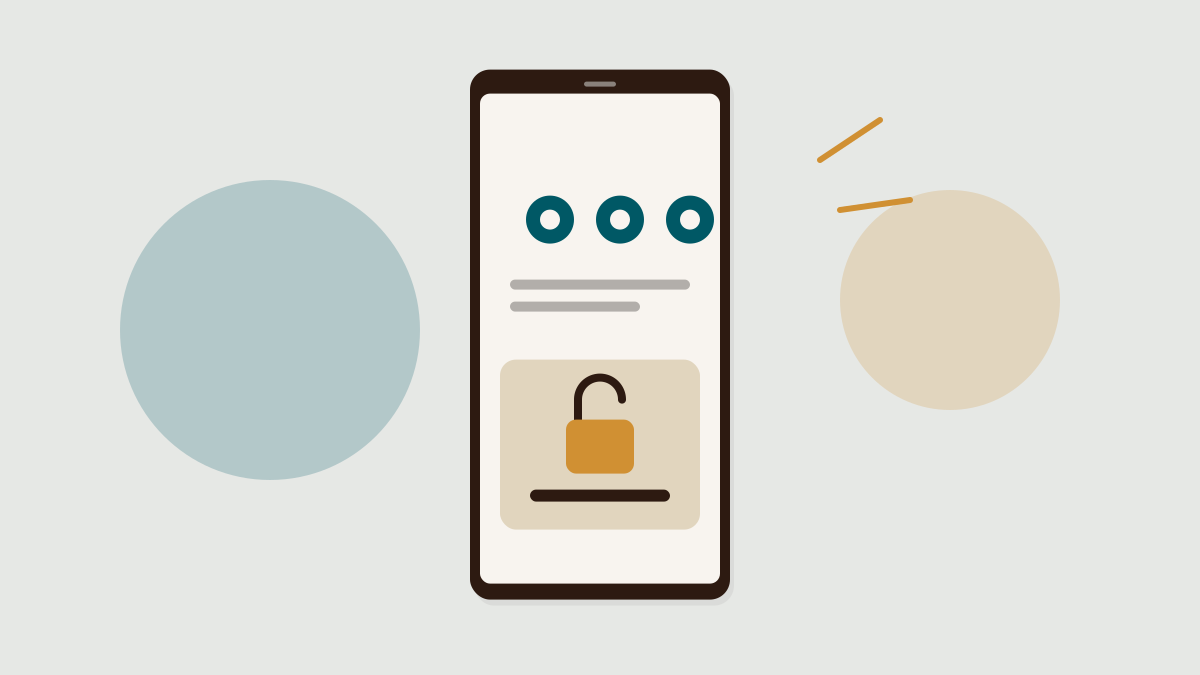
Too early
For two years the app showed its upgrade screen at the end of the very first lesson. The logic was common: catch people while their motivation is highest. Some did upgrade. Many more closed the app and never opened it again.
Exit surveys told the same story in different words. People felt they were being asked to pay for something they hadn’t had a chance to want yet.
The change
The team moved the paywall to the moment a learner completed a three-day streak. Free learners kept full access to the first unit. The upgrade screen, when it came, showed the learner’s own progress — words learned, minutes practiced — beside what the paid plan would add.
We were asking for money before we had given anything. Waiting felt like a risk until we saw who was converting.
The dip and the turn
For the first two weeks, paid conversions dropped. Fewer people saw the paywall at all, because many never reached a streak. Then the curve turned. The learners who did reach three days converted at several times the old rate, and they cancelled far less often in their first billing month.
By the end of the second month, revenue from each cohort of new learners was higher than under the old flow, and support tickets about refunds had fallen sharply.
The lesson
A paywall is a question: is this worth paying for? Ask it when the customer can answer yes from their own experience. Choose the moment by looking at what your paying customers had already done before they paid, and put the prompt there.
Keep reading
View all
For pitches, data you would like us to look at and letters to the editor, write to us any time. We read everything.
Free. One study, one teardown and one thing to test, every Tuesday morning. Nothing else.