Holiday 2026 Mobile Checkout: Five Fixes to Ship Before Black Friday

Holiday mobile checkout is where most of this season's online money will be won or lost. Adobe expects 57.4% of holiday purchases to happen on a phone in 2026. The fixes worth shipping before Black Friday are small: show the full price early, shorten the form, offer guest and wallet payment, and freeze risky tests.
Holiday 2026 is already moving. Adobe forecasts $95.8 billion in online spending for October alone, and the real peak arrives in four weeks. Most teams no longer have time for a redesign. They do have time for a handful of narrow changes that remove friction from the screens where shoppers pay.
This guide is for growth, product and e-commerce teams who own a checkout and have a short window before code freeze. It covers what the 2026 numbers say about mobile buyers, why carts get abandoned, five specific fixes, and what to leave alone until January. Returnonbehavior covers how customers actually behave on landing pages, checkouts and paywalls, so the focus here stays on evidence rather than best-practice folklore.
What the 2026 Holiday Numbers Say About Mobile Checkout

The headline figure is large. Adobe's 2026 holiday forecast projects $275.1 billion in U.S. online spending between November 1 and December 31, up 6.7% from last year. Cyber Monday alone should bring in $15.1 billion. Black Friday is expected to reach $12.9 billion and is growing faster, at 9.2%.
The device split matters more for checkout teams. Adobe expects 57.4% of holiday transactions to happen on a phone, up from 56.4% in 2025. Over Thanksgiving weekend, that share climbs to a record 63%. Buy now, pay later spending is forecast at $21.3 billion, and 82% of it should come through mobile.
Government data points the same way. The U.S. Census Bureau's quarterly e-commerce report put second-quarter 2026 online retail sales at $340.2 billion. That figure is up 12.2% from a year earlier, and it equals 17.1% of all retail sales. The Census Bureau will publish third-quarter figures on November 19, 2026, right before the peak.
The practical reading is simple. Your desktop checkout is no longer the main checkout. If your team still reviews flows on a laptop first, flip the order this month.
Why Do Shoppers Abandon a Holiday Mobile Checkout?
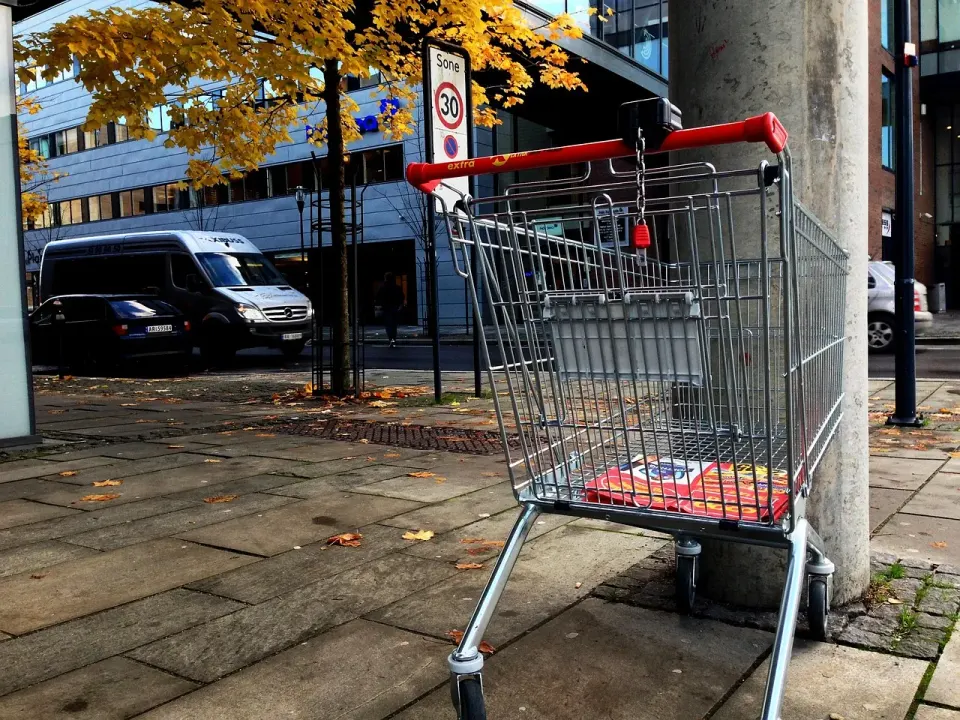
Most shoppers who leave a checkout do it because of money or effort, not design taste. Extra costs that appear late are the top reason. Forced account creation, long forms, slow delivery and doubts about card safety follow. On a small screen, each of these problems costs more taps and more patience.
The Baymard Institute's cart abandonment research averages 50 studies and lands on a 70.22% abandonment rate. Many of those shoppers were only browsing. Among people who hit a real checkout problem, 40% left because shipping, taxes or fees were too high. Another 18% left because the site demanded an account, and 17% said the checkout was too long or complicated.
One caveat applies. Abandonment surveys measure what people say, not what they did. Treat the percentages as a ranking of suspects, then confirm them in your own funnel. Pair the survey data with session recordings of your own checkout before deciding which leak to fix first.
Fix 1: Show the Total Price Before the Last Screen
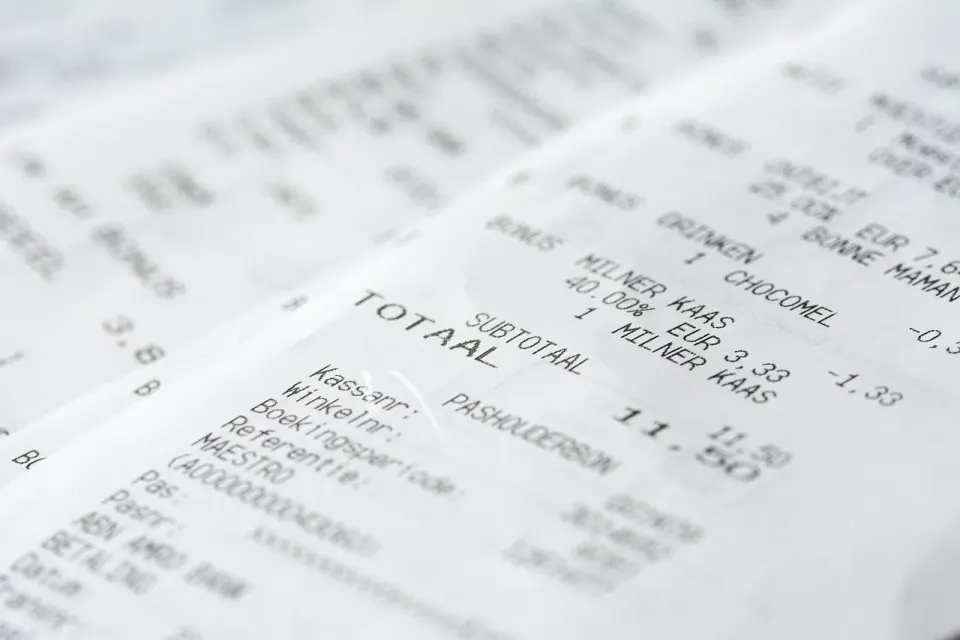
The first fix targets the biggest leak. Shoppers who see a fee for the first time on the payment step feel tricked, and many leave. Put an estimated total, including shipping and any mandatory fees, on the cart page. Then repeat it in a sticky summary on every checkout step.
There is a regulatory reason too. The Federal Trade Commission (FTC) Rule on Unfair or Deceptive Fees requires all-in pricing for live-event tickets and short-term lodging. In April 2026, the FTC announced that StubHub would pay $10 million over fees left out of its advertised prices. The order requires StubHub to show the total price more prominently than any other price. Retailers outside those two industries are not covered by the rule, but the FTC's direction is clear.
Here is a short checklist for the total-price fix:
- Show estimated shipping on the cart page, based on ZIP code or location.
- Keep the order total visible without scrolling on a 390-pixel-wide screen.
- Name every fee in plain words, such as "Delivery" rather than "Service charge."
- Flag free-shipping thresholds with the exact dollar amount still needed.
Fix 2: Cut the Mobile Checkout Form to One Column
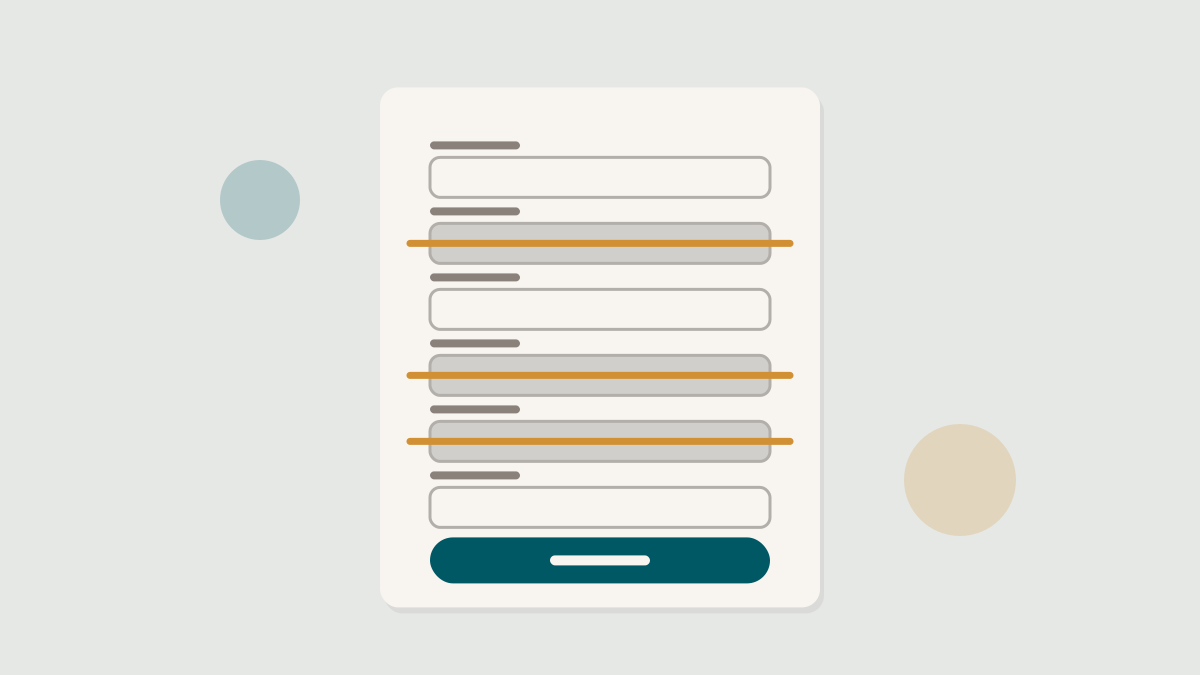
A shorter form is the second fix, and it usually ships in days. Every field on a phone means a tap, a keyboard change and a chance to mistype. Count your fields today. If the list runs past ten, look hard at each one the order does not strictly need.
The U.S. Web Design System's form guidance, maintained for federal websites, recommends simple vertical layouts. It also says to label optional fields with the word "optional" and to tell people exactly which field needs fixing. The U.S. Web Design System (USWDS) warns against disabled inputs, which leave shoppers guessing why they cannot continue. Those rules were written for government services, yet they map closely onto a retail checkout.
These form changes are low-risk to ship before the peak:
- Use one column, with labels above each field instead of inside it.
- Set the right keyboard type for phone numbers, ZIP codes and card numbers.
- Turn on browser autofill with correct autocomplete attributes.
- Hide "Address line 2" behind a link instead of showing an empty box.
- Validate inline, next to the field, instead of after submit.
If you are unsure which field causes the most trouble, run a quick five-user usability test on the checkout this week. Five people on their own phones will surface the worst field faster than a dashboard will.
Fix 3: Make Guest Checkout and Wallets Easy to Find
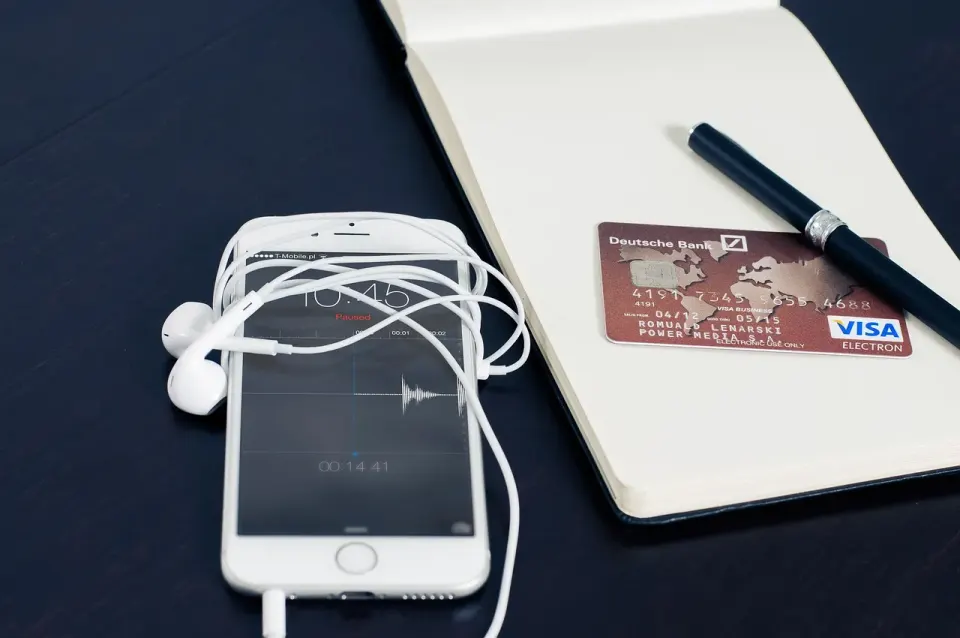
Guest checkout belongs above the fold. Forced account creation drove 18% of abandonment in the Baymard data. Many stores technically offer a guest path but bury it below a large sign-in form. Make "Continue as guest" a full-width button, then offer account creation after the order is placed.
Digital wallets solve a different problem. They skip the address and card fields entirely, which matters most on a phone. Place wallet buttons at the top of the first checkout step, not only on the payment page. Test that each wallet passes the correct shipping method and total back to your order system.
Buy now, pay later deserves the same scrutiny. Adobe's $21.3 billion BNPL forecast suggests strong demand, but it also adds another option to a crowded screen. Show installment messaging once, near the total, rather than on every product tile.
Fix 4: Prepare for AI-Referred Holiday Shoppers
A new kind of visitor is arriving. Adobe projects traffic from AI assistants to U.S. retail sites will grow 130% this season, and 159% on Thanksgiving. These shoppers often land deep on a product page, already convinced, with little interest in browsing.
That changes what the landing page should do. An AI-referred shopper needs price, delivery date, stock status and return policy above the fold. In Adobe's July 2026 survey of 5,000 consumers, 69% of AI shoppers said they were less likely to return items. That suggests these visitors have already done their research. The page's job is to confirm details, not to persuade.
Tag this traffic separately in your analytics now. If you lump it into "referral," you will not be able to tell in January whether it converted better or worse.
Fix 5: Freeze Risky Holiday Checkout Tests
The last fix is restraint. November is a poor month for big A/B tests on checkout. Traffic mix shifts daily, discounts distort intent, and a losing variant costs real money at peak volume. Results from Cyber Week rarely hold in February.
The table below sorts common changes by when to ship them.
| Change | Risk level | When to ship |
|---|---|---|
| Total price on cart page | Low | Before November 15 |
| Form field cuts and keyboard types | Low | Before November 15 |
| Guest checkout button placement | Low | Before November 15 |
| New payment provider | High | January |
| Multi-step to one-page redesign | High | January |
At Returnonbehavior, we've seen teams lose a full December reading results from a test launched the week before Thanksgiving. Use the peak to log clean baselines by device instead. Record conversion rate, average order value and step-by-step drop-off for phones and desktops separately.
A Monday Plan for Your Holiday Mobile Checkout
The practical answer is to remove surprises and effort from the phone checkout, then stop changing it. Start Monday by completing a purchase on your own phone, on cellular data, as a guest. Write down every fee that appears late and every field that slows you down.
Fix the total-price display and the three worst fields first. Move the guest button up. Tag AI-referred traffic. Then set a code freeze and spend the season measuring. In January, you will have real holiday data to plan bigger tests with.
Fact-checked as of October 30, 2026, against Adobe's holiday forecast, the Census Bureau's Q2 2026 e-commerce release and the FTC's April 2026 StubHub announcement.
What share of holiday 2026 online orders will happen on a phone?
What is the most common reason shoppers abandon a checkout?
Does the FTC junk fees rule apply to online retailers?
Should I run A/B tests on my checkout during the holidays?
Keep reading
View all
For pitches, data you would like us to look at and letters to the editor, write to us any time. We read everything.
Free. One study, one teardown and one thing to test, every Tuesday morning. Nothing else.