Six ways an A/B test lies to you
1. Peeking
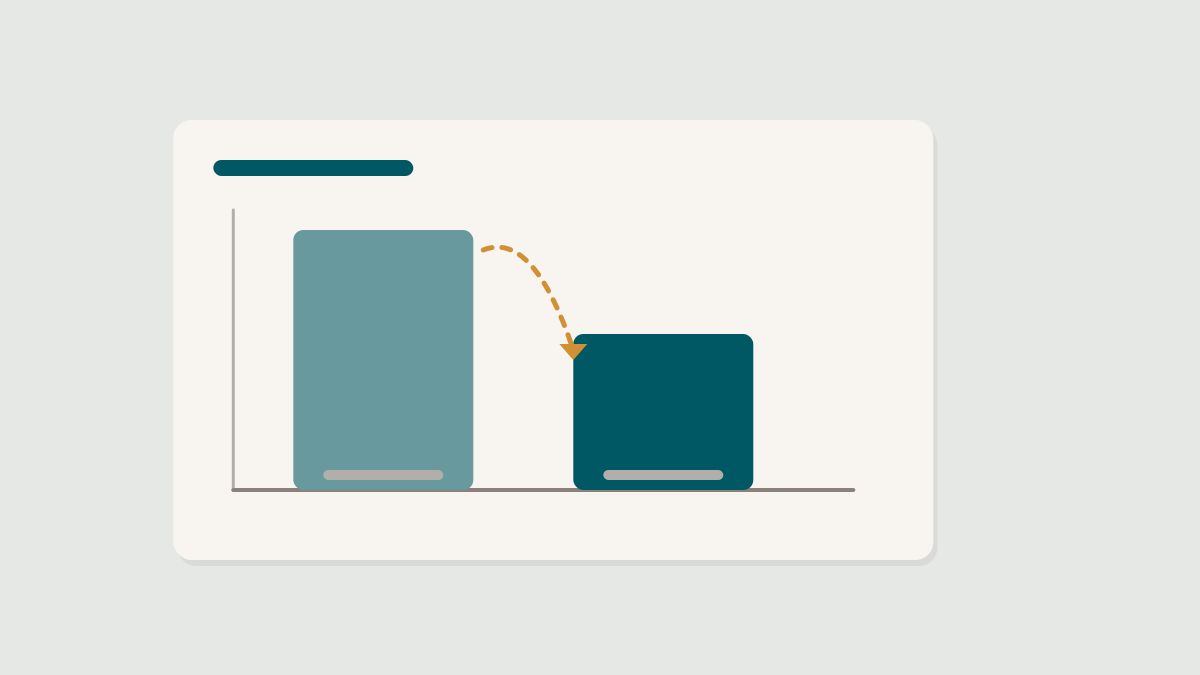
Checking results every day and stopping the moment they cross the significance line dramatically raises the chance of declaring a winner that isn’t one. Fix the sample size in advance, or use a method designed for continuous monitoring.
2. Too many metrics
Track twenty metrics and one will move by chance. Name a single primary metric before launch, and treat surprises elsewhere as hypotheses for the next test.
3. Novelty
Returning customers click new things because they are new. A redesigned button can win for a week and lose for a quarter. Run for at least two full weekly cycles and look at the effect on new and returning customers separately.
4. A broken split
If the test was meant to split traffic evenly and one group is noticeably larger, something in the assignment is wrong, and the result can’t be trusted. Check the sample ratio first, every time.
5. The wrong unit
Randomizing by session when the decision is made by an account, or by user when a whole team shares the product, lets the groups contaminate each other. Randomize at the level where the behavior happens.
6. Winning the wrong metric
A test can lift clicks and lower revenue, or lift conversion and raise refunds. Always pair the primary metric with a guardrail — retention, refunds, support contacts — that you are not willing to sacrifice.
| Problem | Symptom | Guard |
|---|---|---|
| Peeking | Early, dramatic wins | Fixed sample size |
| Too many metrics | Surprise winners | One primary metric |
| Novelty | Wins that fade | Two or more weekly cycles |
| Broken split | Uneven group sizes | Sample ratio check |
| Wrong unit | Contaminated groups | Randomize where behavior happens |
| Wrong metric | Wins that cost revenue | Guardrail metrics |
Keep reading
View all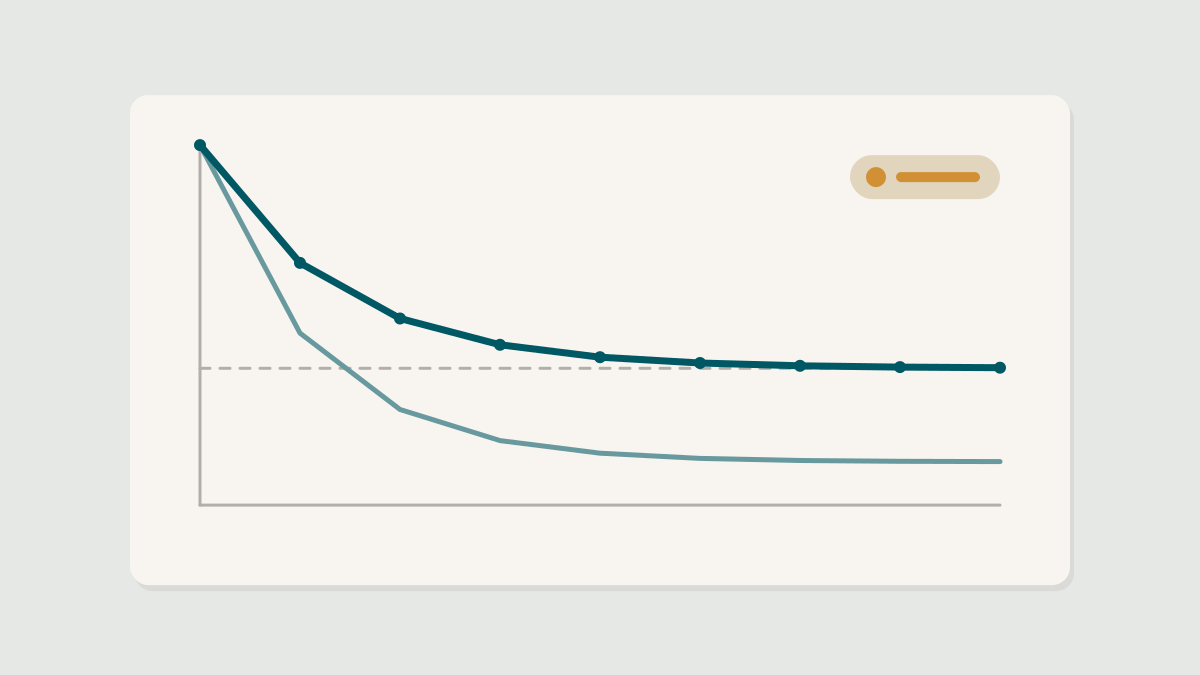

For pitches, data you would like us to look at and letters to the editor, write to us any time. We read everything.
Free. One study, one teardown and one thing to test, every Tuesday morning. Nothing else.