Hard-to-Cancel Subscriptions Are a Retention Illusion in 2026

Hard-to-cancel subscriptions make retention look better than it is. Customers who stay because leaving is tedious are not loyal; they are delayed churn and a legal risk. Amazon's $2.5 billion Prime settlement with the FTC, now paying expanded refunds in 2026, shows how expensive that illusion can become.
This fall, the bill for one of the best-known cancellation mazes is still arriving. In September 2026, a federal court approved a revised order that raises Amazon's Prime refunds and sends them out automatically. Meanwhile, the Federal Trade Commission (FTC) is weighing a new version of its negative option rule, the rule covering subscriptions that renew unless you act.
This essay is for founders, product managers and growth teams who own a subscription and report its retention numbers. It covers what the Amazon case established, where the FTC's rulemaking stands, why cancellation friction works on people, and what it does to your metrics. Returnonbehavior writes about why customers come back in week two and what makes them stop. Here the question is simpler: how many of your retained customers actually chose to stay?
What the Amazon Prime Refunds Show About Hard-to-Cancel Subscriptions

The Amazon case is the clearest price tag the industry has seen. In September 2025, the FTC announced a $2.5 billion settlement with Amazon over Prime enrollment and cancellation. It included a $1 billion civil penalty and $1.5 billion in refunds. The FTC estimated that 35 million consumers were affected.
The FTC alleged that Amazon enrolled people through confusing screens and made cancellation complex on purpose. The order requires a clear button to decline Prime. Amazon can no longer use decline wording such as "No, I don't want Free Shipping." It must also offer a cancellation method that uses the same channel people used to sign up.
The 2026 update matters just as much. On September 17, the FTC said a court had approved a revised order that expands the Prime refunds. The maximum payment rose from $51 to $200. Payments now go out automatically, with no claim forms. Amazon had already paid more than $845 million in redress as of September 2026.
One detail deserves attention from every analytics team. The FTC's refund eligibility depends on how few Prime benefits a member used in a year. Under the revised order, members who used 11 to 20 benefits now qualify too. In effect, the regulator treated low usage as evidence of a subscription people did not really want.
Is the FTC Click-to-Cancel Rule Coming Back?
Not yet, but the FTC has restarted the process. In March 2026 it issued an advance notice of proposed rulemaking on its Negative Option Rule. That step only gathers comments. A proposed rule would come next, and a final rule after that. Federal law already bans charging subscribers without clear terms and consent.
The FTC's March 11, 2026 announcement asks about practices that hide terms, enroll people without express informed consent, or make cancellation hard. It also asks whether to readopt parts of the 2024 amendments, which a federal appeals court vacated in 2025. Christopher Mufarrige, director of the FTC's Bureau of Consumer Protection, said subscriptions are "plagued by difficult cancellation processes."
Waiting for a final rule is a poor strategy. The FTC brought the Amazon case under the FTC Act and the Restore Online Shoppers' Confidence Act (ROSCA), a 2010 law. Neither depends on the new rule. Several states also run their own automatic renewal laws, so a cancel flow that is legal in one state may not be legal in another.
For product teams, the practical reading of the March notice is that the FTC is collecting evidence. The notice invites market studies and economic data on how subscriptions are sold and canceled. Companies whose cancel flows rely on several screens of offers should assume regulators will read those flows closely, whether or not a new rule is ever finalized.
Why Companies Make Subscription Cancellation Hard

Cancellation friction works because people are bad at finishing small, unpleasant tasks. Behavioral economists call the underlying pull status quo bias. A default that requires no action tends to win, even when the person would choose differently with a clean slate. Every extra screen raises the cost of acting on a decision already made.
The FTC named this pattern years ago. Its 2022 staff report, "Bringing Dark Patterns to Light," listed hard-to-cancel subscriptions as one of four common manipulative design tactics. The others were disguised ads, buried terms and junk fees, and tricks that pull out personal data. The report cited a case against ABCmouse, which allegedly made cancellation very hard despite promising "Easy Cancellation."
Inside companies, the logic is easy to follow. A save screen that keeps even a small share of cancelers looks like a win on a weekly dashboard. The people who pay for it are not on that dashboard. Amazon's own internal discussion, quoted by the FTC, called "subscription driving" "a bit of a shady world." That phrase usually means a team already knows the number is not entirely earned.
There is an honest counterpoint. Some friction helps customers. A short confirmation screen prevents accidental cancellations, and a pause option can serve someone who is traveling. The test is whether the step helps the person finish what they came to do, or helps the company stop them.
What Hard-to-Cancel Subscriptions Do to Your Retention Numbers
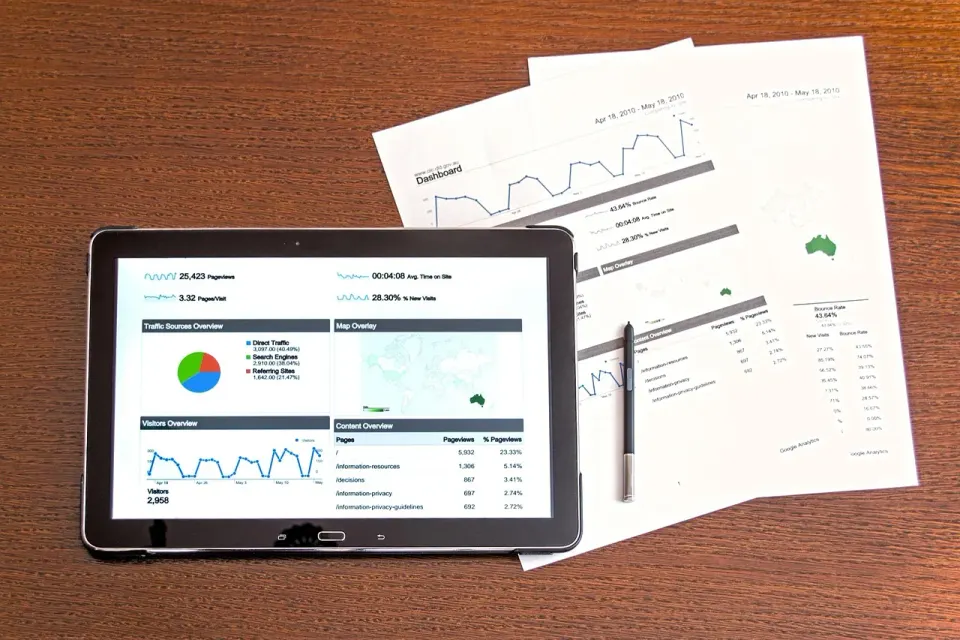
A retention curve cannot tell you why someone stayed. It counts paying accounts, and a trapped account pays the same as a delighted one. That is why a cancellation maze can lift month-three retention while the product itself gets no better.
The cost shows up later, in other columns. Trapped subscribers file chargebacks, write angry reviews and rarely come back after they finally escape. Their revenue is also fragile, because one regulator or one viral complaint can turn it into a refund liability. Amazon's refund program is that liability in its most literal form.
The table below compares common retention measures with what they can hide.
| Metric | What it shows | What it can hide |
|---|---|---|
| Monthly retention rate | Share of accounts still paying | Accounts that tried to leave and failed |
| Save-offer acceptance | Cancelers kept by a discount or pause | Whether they use the product afterward |
| Net revenue retention | Revenue kept from existing customers | Refunds and chargebacks booked later |
| Active-use retention | Paying accounts that also used the product | Little; this is the honest version |
At Returnonbehavior, we think the last row should sit next to the first in every board deck. Borrow the FTC's own logic. Split your retained subscribers by how much they used the product in the last 90 days. If a large group pays every month and never logs in, your retention rate is partly a measure of friction.
What an Honest Subscription Cancel Flow Looks Like
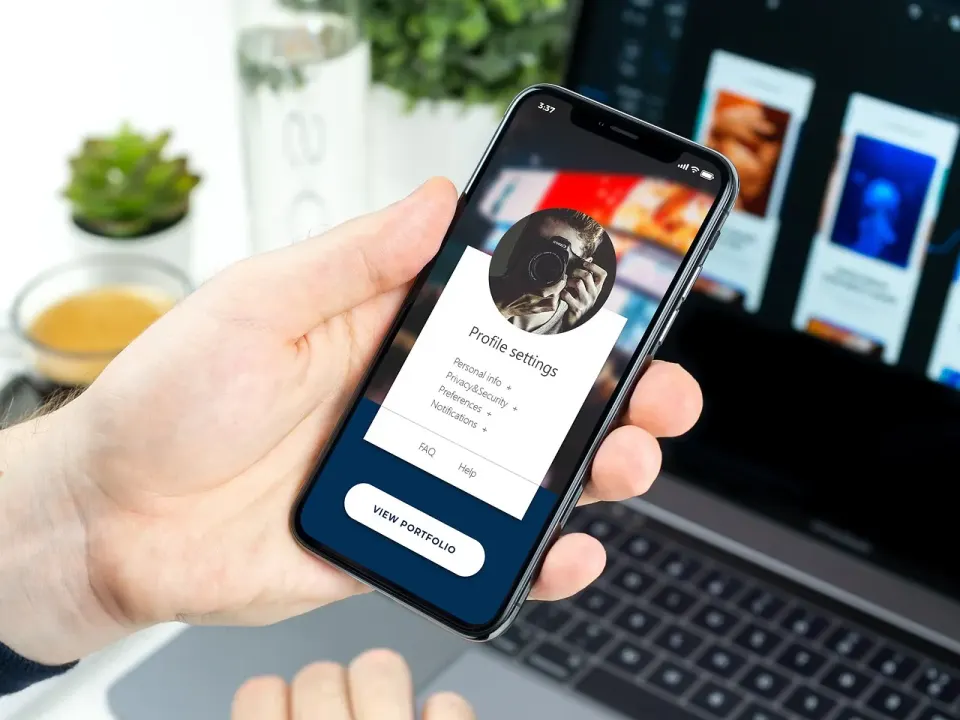
An honest cancel flow is short, findable and as easy as signing up. That standard echoes the Amazon order, which requires cancellation through the same channel people used to join. It is also a useful design brief, whatever the FTC finally does.
A clean cancel flow follows these steps in order:
- Put a "Cancel subscription" link on the account or billing page, in plain words.
- Show the next charge date and amount on the first screen.
- Offer one alternative, such as a pause or cheaper plan, and only once.
- Confirm the cancellation on screen and by email, with an end date.
- Ask one optional question about why the person left.
Each step has a reason. The charge date answers the question most people are actually asking. A single offer respects the decision without ignoring a real alternative. The written confirmation protects both sides if a charge appears later.
The same principle applies at sign-up. A shopper who sees the full price and renewal terms before paying is less likely to feel trapped later. The checkout fixes our conversion desk recommends before Black Friday start from that idea: show the total early and remove surprises.
Before shipping a new cancel flow, watch real people use it. A five-user usability test run over one week will show whether people can find the cancel link without help. If three of five people stall, the flow is a maze, whatever the intent behind it.
What to Try on Monday
The practical answer is to measure how many of your subscribers chose to stay, then make leaving easy for the rest. Retention built on friction is borrowed revenue, and the Amazon refunds show how the loan gets called.
I would start with two small tasks. First, time how long it takes a new team member to cancel your product from a phone. Second, pull a 90-day usage report on everyone who renewed last month. If those two numbers make you uncomfortable, you have found your next retention project. It will probably lower one metric this quarter and raise a more honest one next year.
Fact-checked as of October 30, 2026, against FTC announcements from September 2025, March 2026 and September 2026. This article is not legal advice.
How much did Amazon pay in the FTC Prime settlement?
Is the FTC click-to-cancel rule in effect in 2026?
Why do hard-to-cancel subscriptions distort retention metrics?
What should a fair subscription cancel flow include?
Keep reading
View all


For pitches, data you would like us to look at and letters to the editor, write to us any time. We read everything.
Free. One study, one teardown and one thing to test, every Tuesday morning. Nothing else.