Stop calling it user error
The phrase
Every support queue has a label for it. User error. Customer confusion. PEBKAC, if the team is feeling uncharitable. The ticket closes, the customer is told where the button is, and nothing about the product changes.
I have come to think that “user error” is one of the most expensive phrases in product work, precisely because it is so comfortable. It locates the problem in the one place you cannot fix: someone else’s head.
What errors are for
People make predictable mistakes. They read the first few words of a label and skip the rest. They assume the big button is the safe one. They trust defaults. None of this is carelessness; it is how attention works when people are busy, and your customers are always busy.
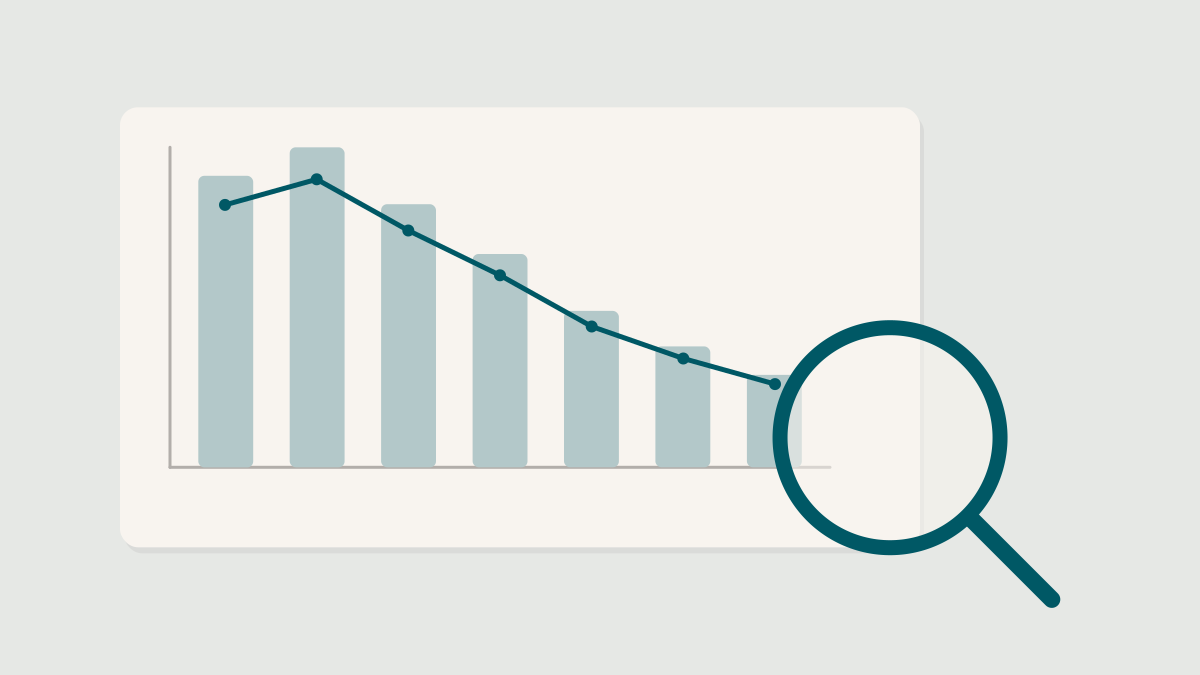
An error that one customer makes is an anecdote. An error that a hundred customers make is a design specification. It tells you exactly what people expected the interface to do.
A hundred customers making the same mistake is not a training problem. It is the product telling you what it should have been.
A better habit
Retire the label. When a support ticket says the customer did the wrong thing, ask what the screen led them to believe. Count those tickets by screen and review the top five every month with the people who designed them. You will fix more in a quarter than a year of help articles ever did.
Customers will still make mistakes. But they will be new ones, and that is what progress looks like.
Keep reading
View all
For pitches, data you would like us to look at and letters to the editor, write to us any time. We read everything.
Free. One study, one teardown and one thing to test, every Tuesday morning. Nothing else.